Portugal 2026
In February 2026, my sons and I spent a week in the Algarve. We stayed in Tavira, from where we made day trips to different corners of the Algarve and one into the Alentejo region. The majority of our sightings can be found at https://pt.observation.org/.
15-02-2026
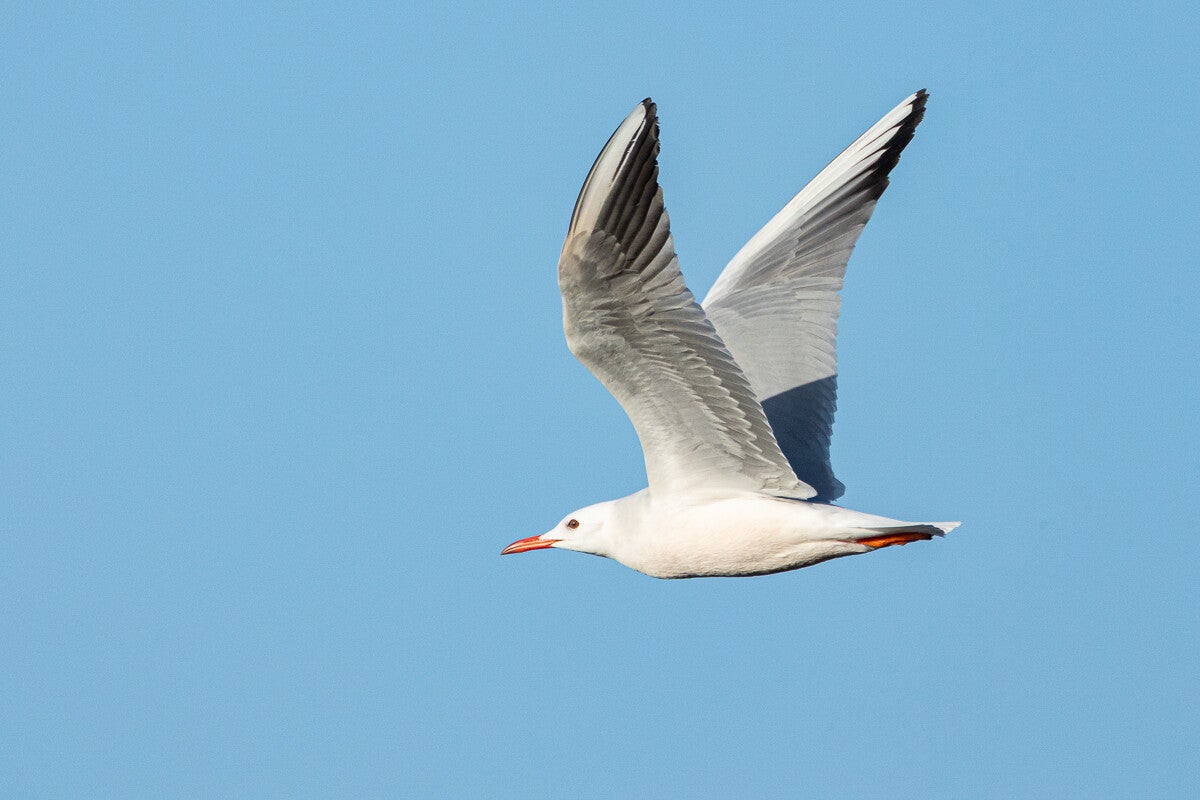
We arrived in Faro and, after collecting the rental car, drove to our accommodation, Golden Club Cabanas in Tavira. The room was perfect, and from the balcony we looked out over the estuary. From here we could already observe Slender-billed Gulls, Gannets, and Caspian Terns flying by. In the vegetation in front of us, a Bluethroat was singing and Sardinian Warblers skulked through the tamarisks. When returning from dinner, a Little Owl was hunting in the courtyard.
16-02-2026
From the breakfast table we observed a Hoopoe foraging on the grass in the middle of a roundabout, so we postponed the road trip planned for today to take advantage of this opportunity.
Our first stop was the caves at Benagil (Lagoa). Besides the impressive cave, only some common European birds were added to the list.
We continued west to Sagres. A Peregrine soared over Cabo de São Vicente, and only a few Gannets flew past the cape. In the fields to the northeast, we found a flock of Red-billed Choughs, along with many Corn Buntings, Meadow Pipits, some Lapwings, and a flock of Calandra Larks. The strip of pines was almost empty, apart from a single Spotted Flycatcher. At the fortress, many Chiffchaffs and Black Redstarts were feeding on insects on the lee side of the walls. Down at the breakwater, an adult Shag in summer plumage was fishing.
17-02-2026
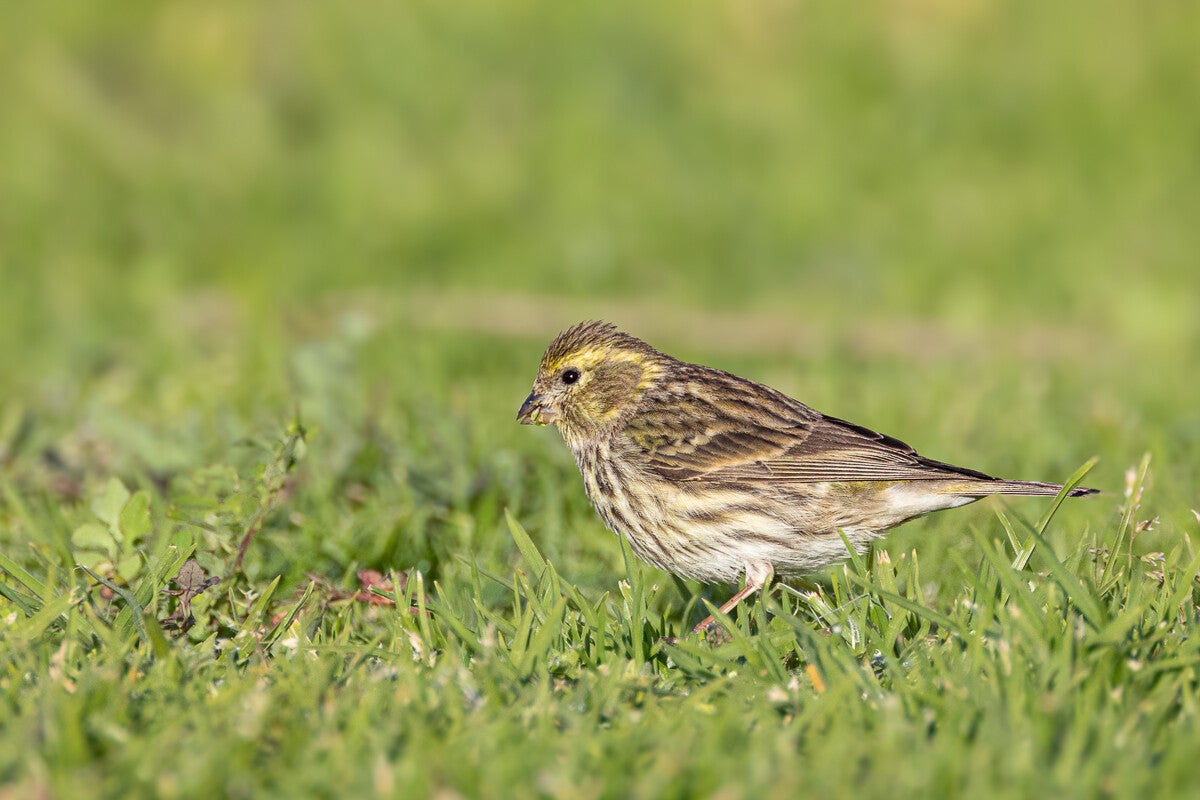
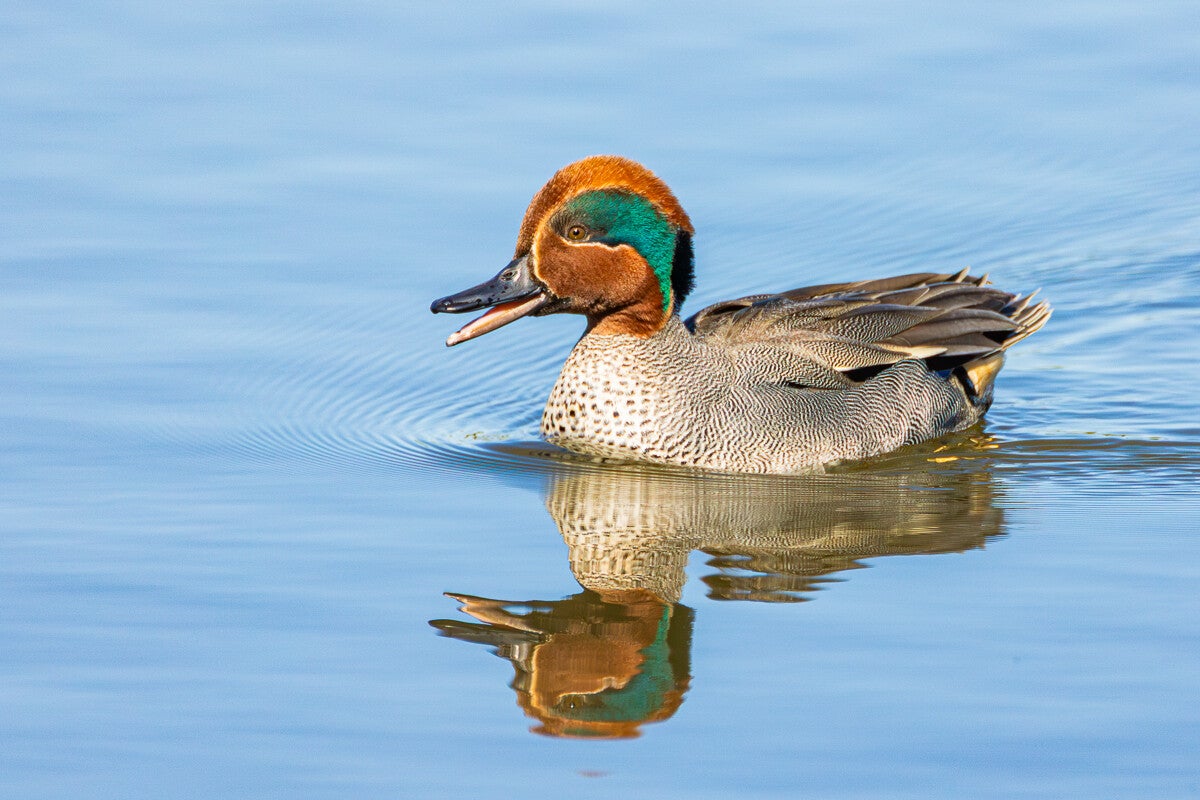
Quinta do Lago was on the program for today. Sadly, it was a grey and colder day, so our attempt to find a European Chameleon for the boys failed. There were plenty of birds on the lake, including a drake Blue-winged Teal. Azure-winged Magpies were all over the place. While watching some Serins, a Wryneck landed in the same bush on the golf course but was quickly scared away by a noisy grass mower. While having a picnic under the pines, we observed Crested Tits, Great Spotted Woodpeckers, and Iberian Green Woodpeckers.
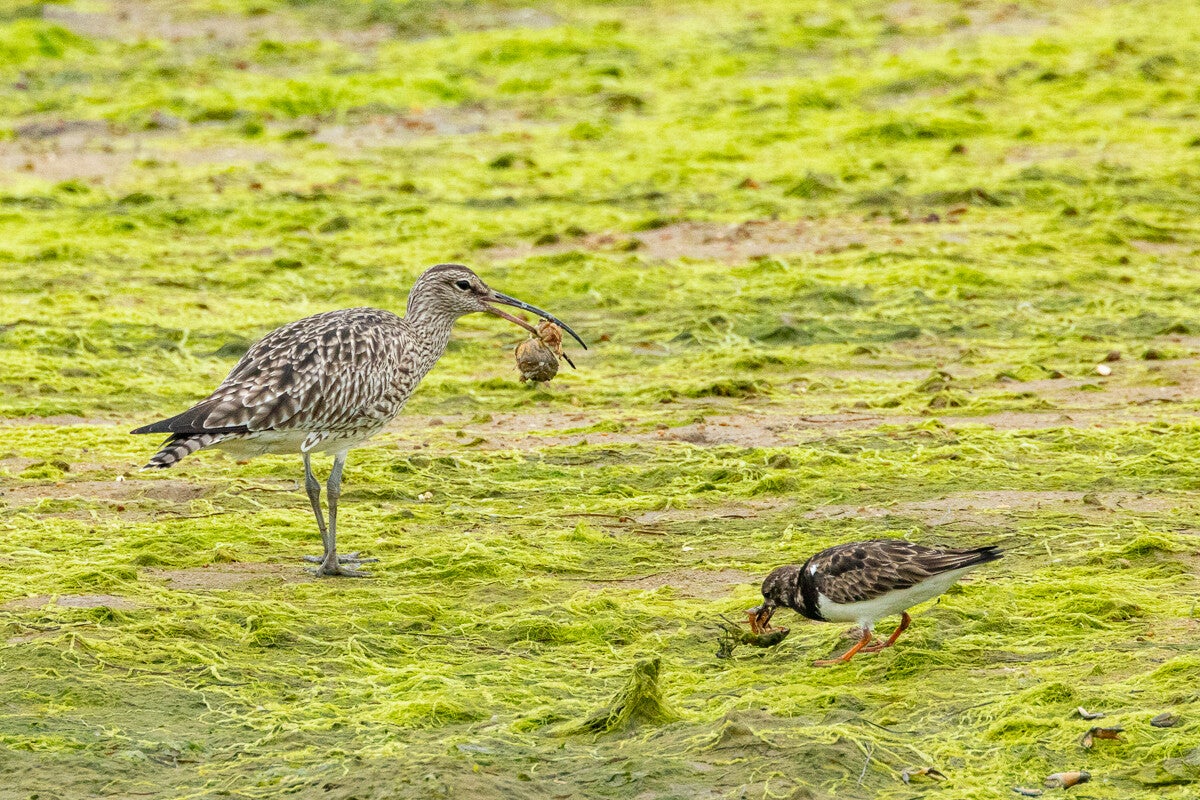
On the way back, we stopped at the salt pans of Tavira looking for the Red Phalarope, but couldn’t find it anymore. There were plenty of other waders, including Black-tailed Godwits, Little Stints, Curlew Sandpipers, Spotted Redshanks, a Water Pipit, and a white-phase Booted Eagle hunting pigeons.
18-02-2026
We drove inland to the Alentejo province to look for steppe birds. As soon as we got off the highway at Namorados, we saw our first Corn Buntings and Red-legged Partridges. We stopped at a bridge over a beautiful river so the boys could stretch their legs and play by the water. As the sun got stronger, the first bird of prey appeared. At first I thought it was a Buzzard, but on closer inspection it turned out to be an adult Bonelli’s Eagle! In the distance, I noticed another raptor—this one was a Spanish Imperial Eagle.
We continued towards the steppes with several stops along the way, seeing Raven, Red Kites, Iberian Grey Shrikes, Thekla’s Larks, Rock Martins, and more before arriving at the lookout point of Senhora de Araceli. At the old church on top, we observed many Serins, Red-legged Partridges, and Iberian Grey Shrikes. Our target species, however, was the Sociable Lapwing, which we soon found at a farm northwest of this spot. We were lucky—the bird was close to the public road and showed well for photos.
We drove around hoping to find Great and Little Bustards but couldn’t locate any, likely because heavy rainfall had made the fields very wet. We did see some Black-winged Kites, a large flock of Golden Plovers, and the species mentioned earlier.
19-02-2026
The boys wanted a relaxed day, so we stayed around the accommodation. I took an early morning and evening walk to photograph birds nearby. Around midday, we took a long walk along the beach, collecting some nice shells.
20-02-2026
On the last day, we headed east to Castro Marim. The salt pans produced some regular birds and a flock of Greater Flamingos. The lake at Monte Gordo was more productive, with Western Swamphen, Ferruginous Duck, and Lesser Spotted Woodpeckers, but the highlight was the European Chameleon.
Our flight was in the late afternoon, so we spent the final hours again at nearby Quinta do Lago, where the Blue-winged Teal was still present. All sightings and coordinates can be found at portugal.observation.org. During this midweek trip, we recorded 130 bird species.