Morocco – March 2026

Introduction
The original plan for this trip was Oman, but that changed abruptly when the conflict with Iran escalated. For a while, travel advice remained unaffected, but literally as we were boarding the plane the situation changed and we were forced to retrieve our luggage from the aircraft.
At first Hans and I abandoned the idea of travelling altogether. After a day, however, we both still felt the urge to go somewhere. A quick search for interesting destinations with reasonable flight prices and schedules led us to northwest Morocco.
This region had already been on our shortlist, mainly because the last population of Marsh Owls is declining rapidly, with only around a dozen known birds remaining in the marshes of Merja Zerga. Flights and a rental car were booked, a flexible list of hotels selected, and the next day we were on our way.
Itinerary
We had both visited southern Morocco before, Saskia and I in 2024, Hans and I Morocco 2025 and Hans also on a cycling holiday many years ago.
-
Day 1: Arrival in Casablanca at noon and attempt for Andalusian Buttonquail
-
Day 2: Morning at Ben Slimane for Double-spurred Francolin, then onward to Merja Zerga
-
Day 3: Merja Zerga
-
Day 4: Merja Zerga
-
Day 5: Merja Zerga in the morning, Ifrane (Atlas Mountains) in the afternoon
-
Day 6: Ifrane in the morning, return flight from Fez to Amsterdam











Thursday, March 5
We flew from Amsterdam to Casablanca, arriving at 12:40 local time. After collecting our rental car — a small SUV suitable for dirt and sandy roads — we checked into a hotel with easy highway access and headed south toward Sidi Abed.
Although the timing was not ideal, we decided to try for Andalusian Buttonquail. Most observations occur later in spring when the females become more vocal with their characteristic booming calls. We explored several fields where the species had previously been recorded or where the habitat looked promising.
Hours passed without any sign of the Buttonquail, apart from a few singing Common Quails. The only truly abundant creatures were mosquitoes; with every step through the vegetation, dozens launched an assault on us. Combined with the disappointment of not finding the target species, we decided to abandon plans for another attempt the following morning and instead focus on Double-spurred Francolin.
Friday, March 6
Armed with a well-prepared breakfast box, we left the hotel before dawn to reach Ben Slimane at sunrise, when gamebirds are usually most active.
The exceptionally wet winter had not only boosted mosquito numbers but also made the roads difficult to navigate. Nevertheless, we managed to reach a suitable viewpoint overlooking the area.
The habitat consisted of low scrub, bushes, and scattered trees on a plateau. Visibility was limited, so we climbed onto the car wheels to scan above the treeline. Within minutes we heard the first francolins calling in the distance.
Despite scanning the area for over half an hour, we still had not seen a bird. Just as we were about to give up, a male suddenly flew toward us and landed in a roadside ditch. We crouched down, hoping it would cross the road, but nothing happened. When we stood up again, we spotted it perched atop a dead tree, loudly calling.
The bird remained remarkably relaxed, calling for several minutes before flying to another tree to continue its display. Eventually it dropped back into the vegetation and disappeared from view. Delighted with both the sighting and photographs, we continued exploring the area.
Further along, the road became impassable and we continued on foot. Soon we located another calling francolin and only moments later noticed a second individual nearby. We carefully approached while the bird was drying and warming itself in the morning sun. After shaking the last droplets from its feathers, it disappeared back into the vegetation.
Other highlights in the area included calling Black-crowned Chagras, an Atlas Buzzard, three Little Swifts, and numerous migrants.
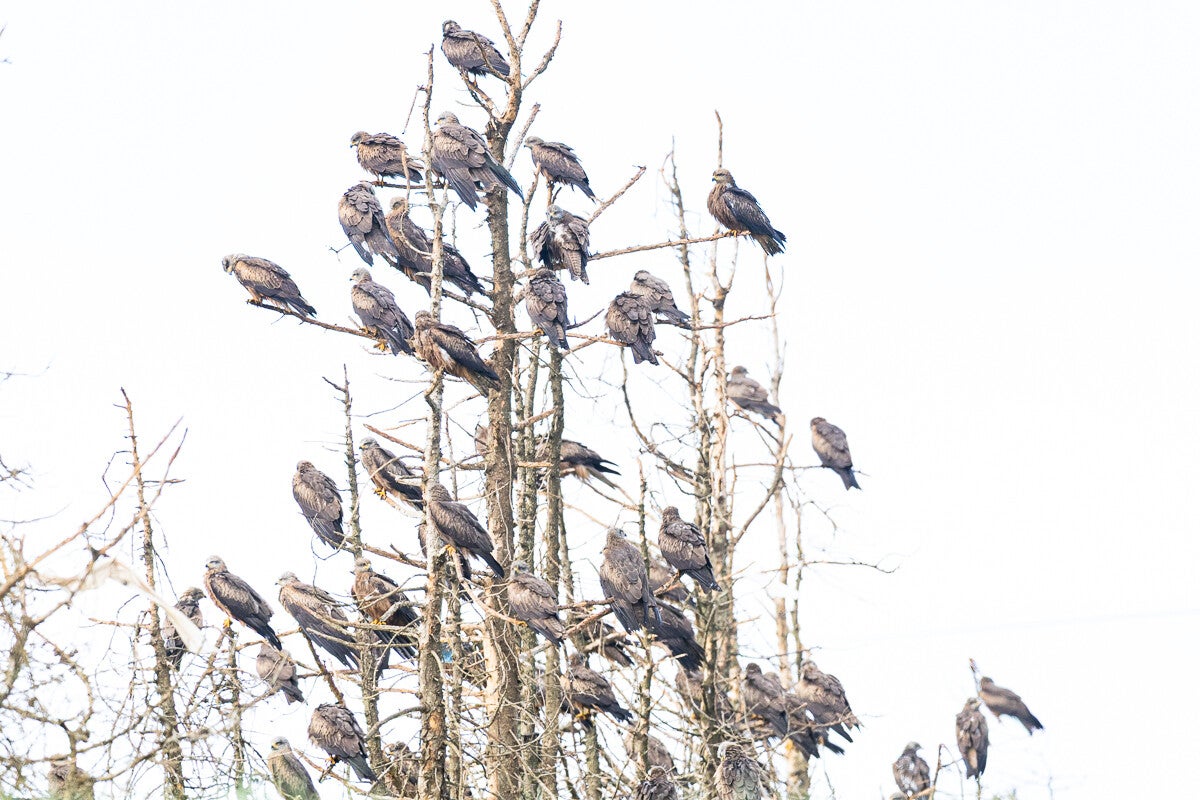
From Ben Slimane we continued toward Merja Zerga. Along the highway we passed a landfill surrounded by thousands of Black Kites and White Storks — impossible to ignore. We exited the motorway and spent nearly three hours observing the spectacle of swirling kites and storks overhead before finally forcing ourselves to continue.
At Lake Sidi Bourhabe near Kenitra we stopped to look for waterbirds. Here we observed White-headed, Marbled, and Ferruginous Ducks, as well as Common and Red-crested Pochards and Red-knobbed Coots.
By late afternoon we arrived at Merja Zerga, but the weather deteriorated rapidly. Once conditions improved, we decided to scout the Marsh Owl sites to prepare for the coming mornings and evenings.
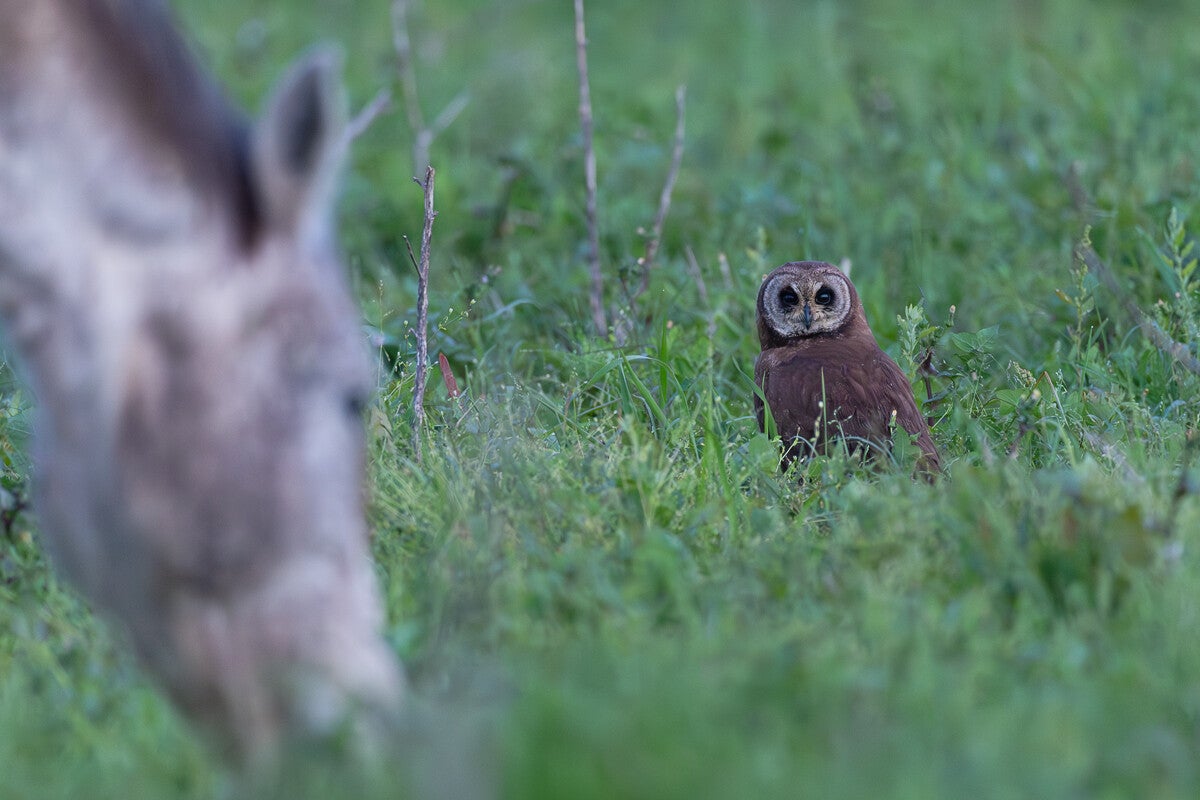
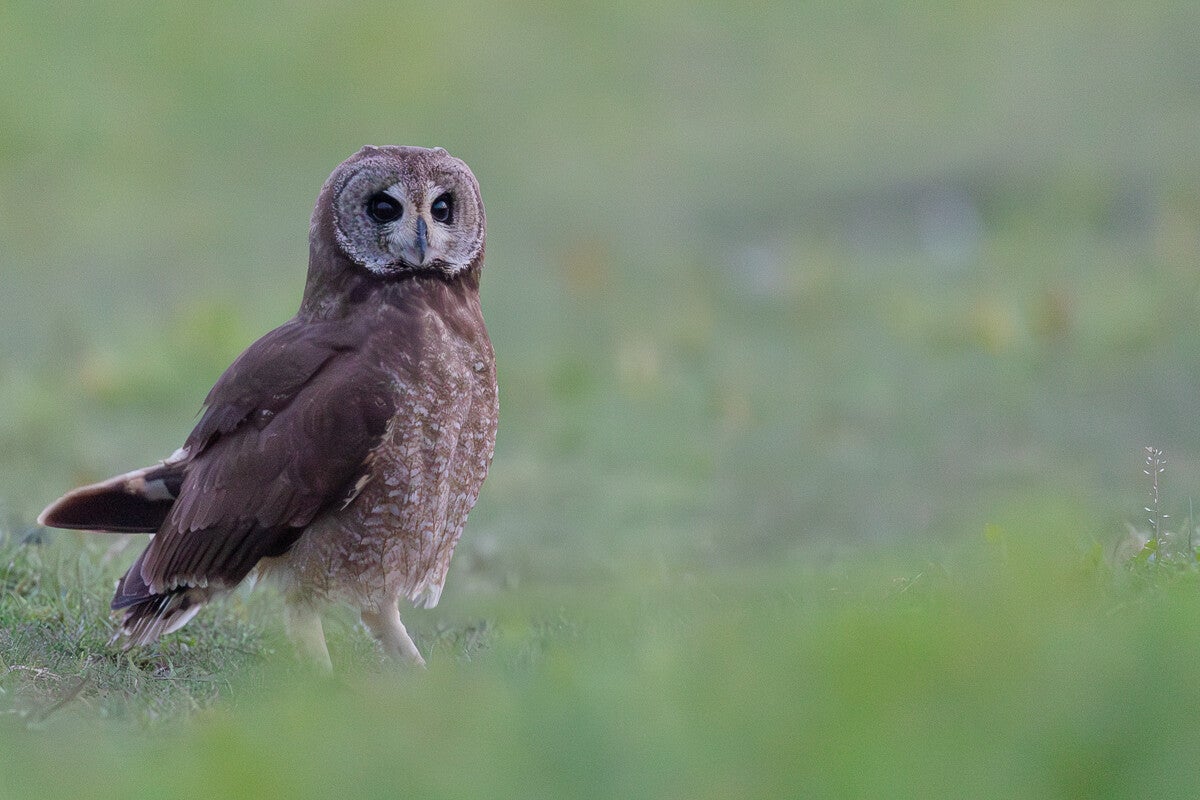
Strong winds made us expect little activity. We were already chatting casually and preparing to return to the car when suddenly a shadow swept directly over our heads and landed barely ten metres away. A Marsh Owl sat right in front of us as if it had come to greet us. Moments later another owl flew past calling loudly and chased a third bird away.
It was an utterly surreal encounter and far beyond anything we had hoped for — an unforgettable experience.
Saturday, March 7
At dawn we returned to the previous evening’s site, but the only owls present were Little Owls. We moved on to another area where local strawberry farmers quickly approached us after realising we were searching for the owls.
They offered to flush the birds for us, something we absolutely did not want. Despite our attempts to discourage them, they ran into the fields shouting and beating the plastic coverings with sticks in an attempt to scare the owls into flight. Fortunately, there appeared to be no owls present.
We returned to the accommodation for a late breakfast and a siesta. The midday light was too harsh for photography, so we waited until afternoon before heading back out, stopping at several wetlands to scan for waders along the way.
Despite trying to avoid local guides offering their services, some continued to follow us around. Eventually we returned to the owl site and waited quietly for activity to begin.
Soon a car arrived carrying an Asian photographer accompanied by both a guide and a local helper, the latter immediately running into the fields to flush the birds while the photographer followed behind in spotless white sneakers.
Based on the previous evening, we had a good idea where the owls might emerge and positioned ourselves in the opposite direction, partially out of sight of the others.
Several poles nearby looked like ideal perches, so we waited there. Suddenly two owls were flushed, and one landed directly on the poles beside us. Both we and the other photographer had excellent views, but after taking his photographs he soon departed, his sneakers no longer quite so white.
We remained in place and enjoyed watching interactions between Maghreb Magpies and the Marsh Owls. As dusk approached, the owls performed display flights over the marshes before settling into the same fields as the previous evening to hunt.
Sunday, March 8
Using the same strategy, we headed straight to the strawberry fields before the workers arrived. This time we found four Marsh Owls, two of which were still actively hunting. With the rising sun behind us, conditions were perfect for flight photography.
Once the workers began arriving, we left the area and watched the owls retreat into an orange grove to roost.
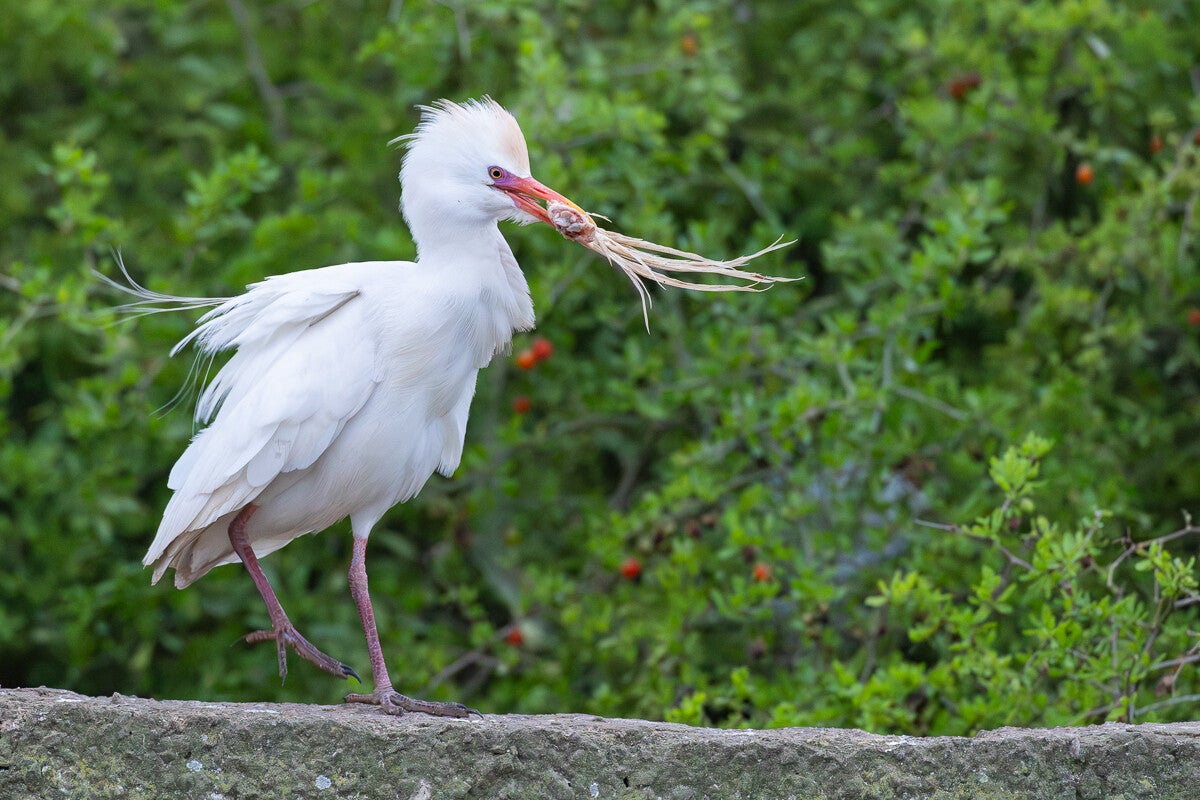
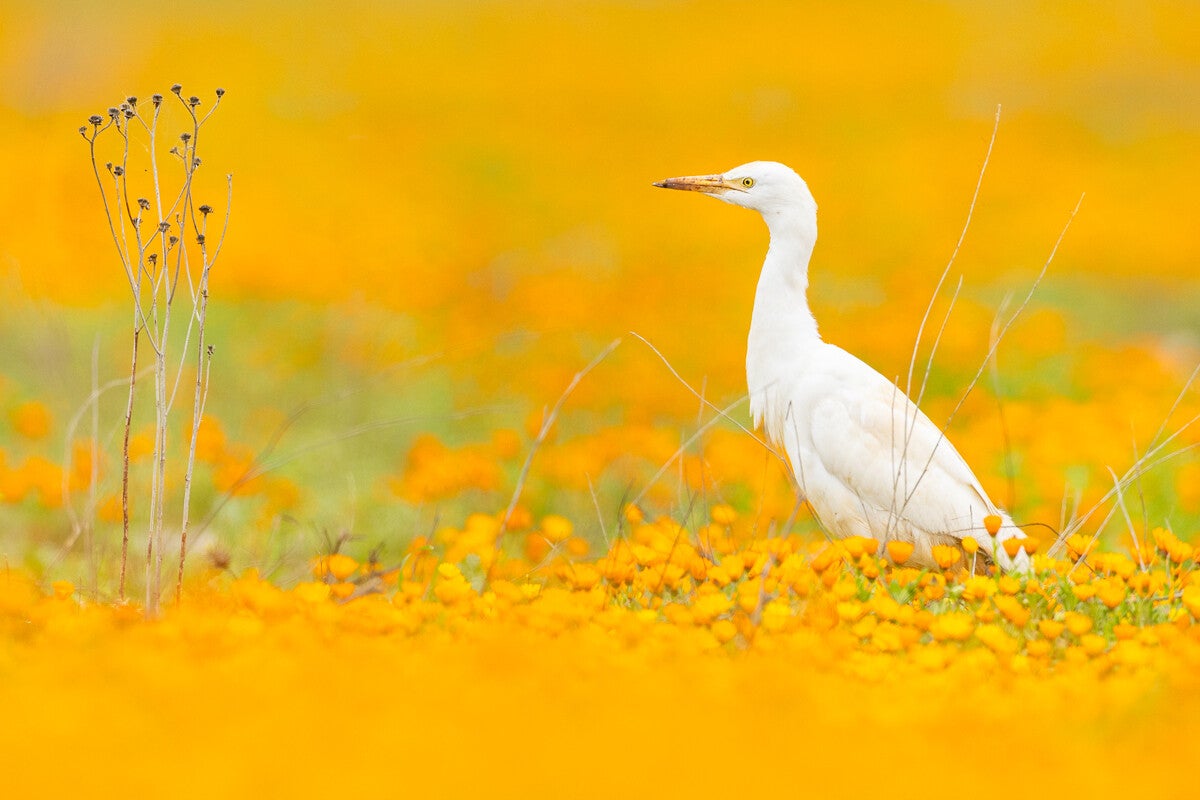
The remainder of the morning was spent exploring the Merja Zerga delta, photographing Little Owls and Cattle Egrets. We also witnessed a begging Cuckoo being chased by a Marsh Harrier.
After breakfast we explored the opposite side of the delta. Sandbanks held a variety of gulls and terns, while bushes contained a scattering of migrants. A particularly cooperative Little Owl kept us occupied for quite some time before we gradually returned for another evening session with the Marsh Owls.
We positioned ourselves where the owls had appeared on previous evenings. As the sun sank lower, anticipation grew — would the owls appear before the light disappeared?
Darkness was rapidly approaching when finally a bird flew in. In the very last light we managed to photograph it in flight as it passed us at eye level.
The owl landed on a mound of plastic in the field — not the most photogenic perch — but it allowed us to approach within roughly twenty metres while calmly scanning its surroundings. Eventually it took off again and resumed its display flights over the marshes.
On the walk back to the car we found another owl hunting low over the grasslands.
Monday, March 9
Our final morning at Merja Zerga followed the same routine. Although no owls were actively hunting, we found one perched on poles near the orange grove. In the misty morning light it was drying its feathers before disappearing back into the roost site.
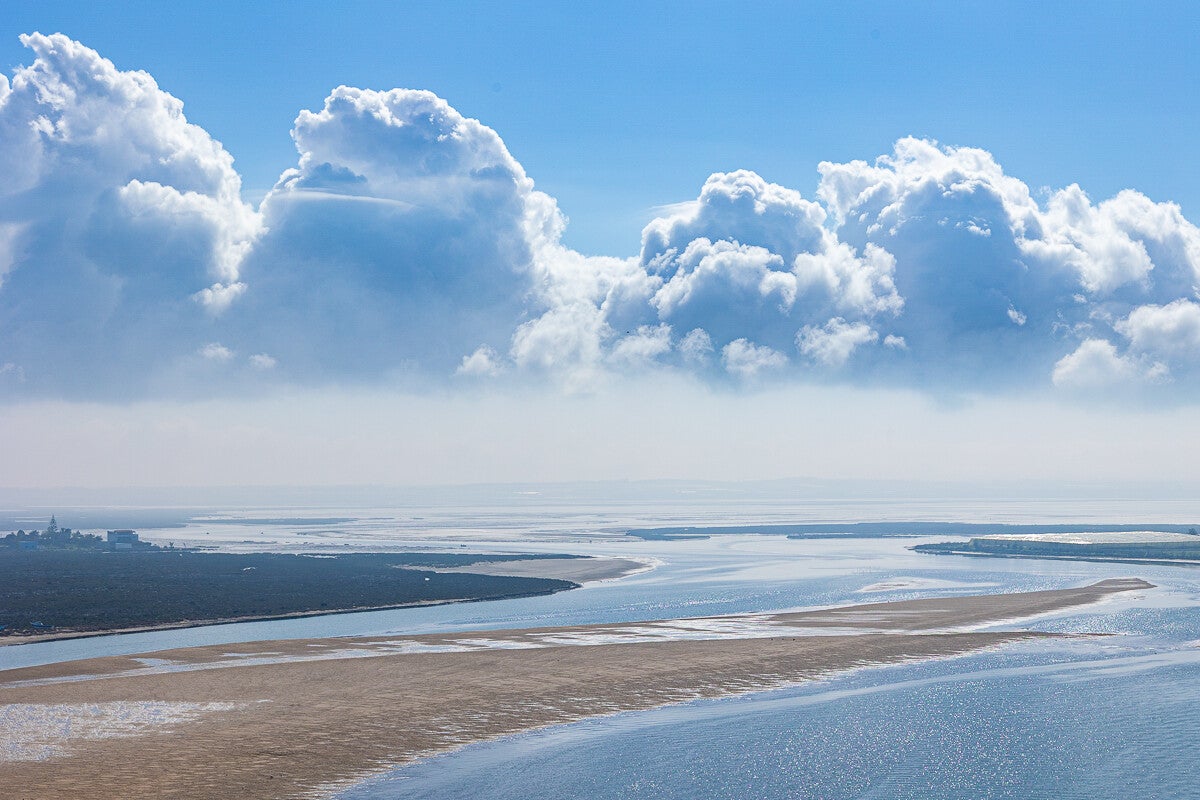
After breakfast and a coffee overlooking the ocean — sadly without any seabird migration — we checked out and drove toward the Atlas Mountains and Ifrane.
Along the way we spotted several Black-winged Kites and European Rollers perched on roadside wires.
During a short stop we found Mistle Thrushes in the pine forest as well as several Greek Tortoises.
Upon arriving in the Atlas region, we first visited the well-known site for Barbary Macaques. Besides the macaques themselves, accustomed to being fed by passing motorists, even Ravens were taking advantage of the easy junk food.
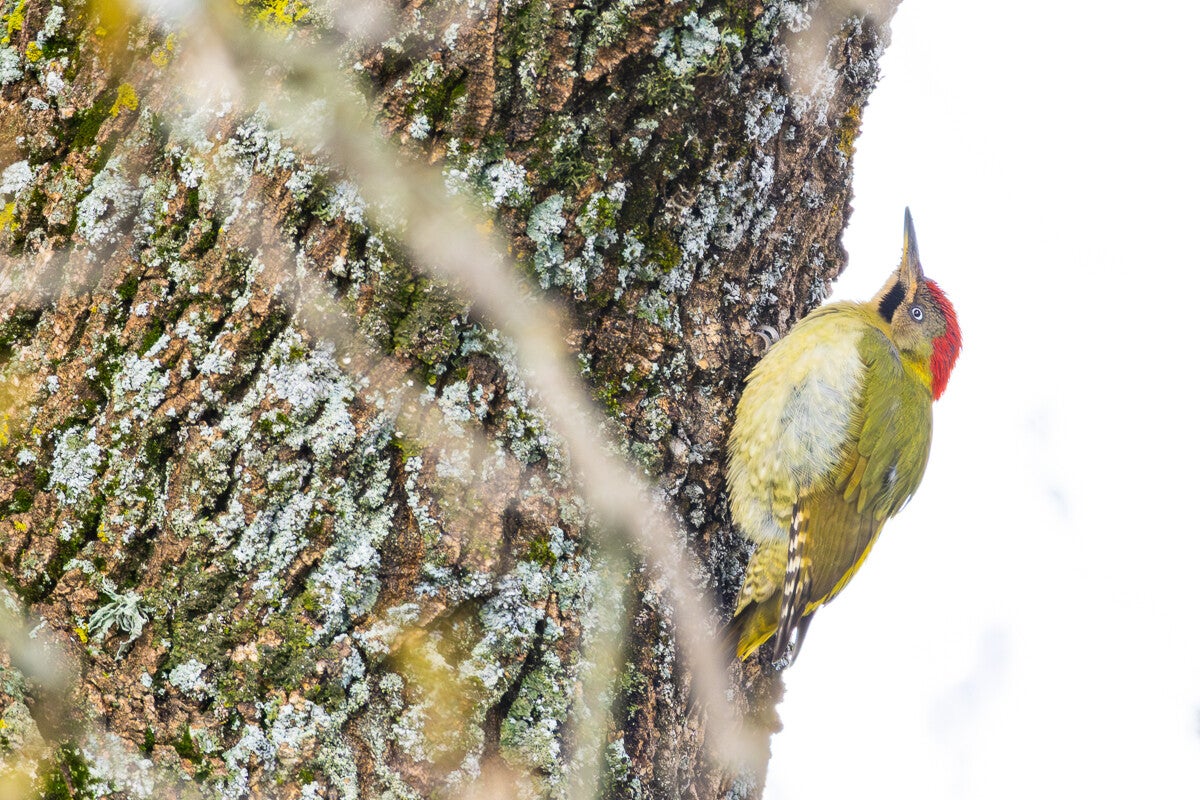
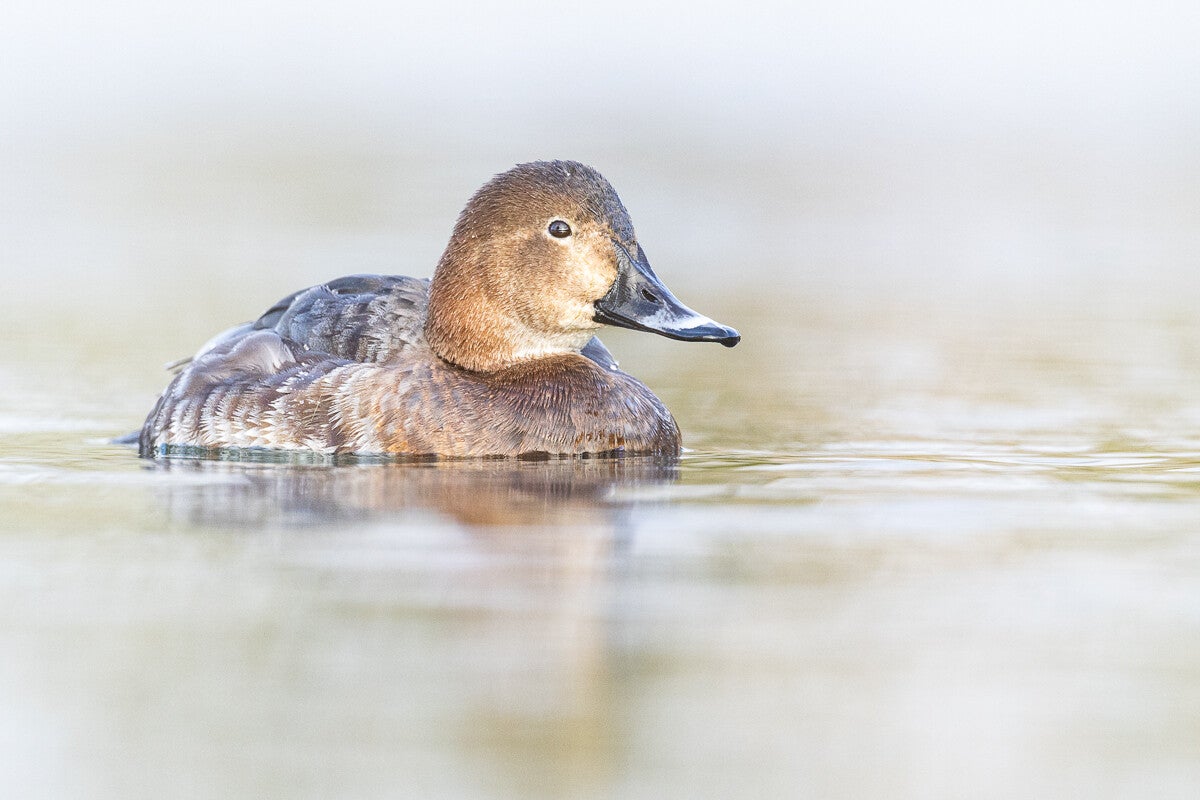
After checking into our accommodation, we visited Lac Ifrane in hopes of obtaining better views — and hopefully photographs — of Levaillant’s Woodpecker. Although we heard several birds calling, none showed themselves. The lake itself, however, provided excellent opportunities to photograph Red-knobbed Coots and Common Pochards.
Tuesday, March 10
Temperatures had dropped overnight and we woke to a light winter landscape. Conditions were cold and wet, with snow covering the higher mountains.
After arranging an early breakfast and checking out, we spent our remaining hours around Ifrane before driving to Fez for our flight home.
As we entered Ifrane, snowfall intensified. A tame and photogenic Mistle Thrush was feeding beside the road, prompting us to stop immediately. Passing drivers looked rather puzzled as we lay beside the road photographing a thrush in the snow.
Eventually we parked properly and continued photographing the birds from a lower angle.
Our next stop was the city park, once again hoping for woodpeckers, but once more we only heard distant calls. In the parking area several Cirl Buntings appeared, and we managed to attract them closer with leftover bread.
Returning to the lake, we waited out a heavy snow shower and finally located a pair of Levaillant’s Woodpeckers. They foraged on the grass beside the lake but repeatedly sheltered in the same tree whenever snow or rain intensified. The birds remained somewhat distant, but at least we now enjoyed excellent views and managed some record shots.
Time was running short and the weather continued to deteriorate. By the time we reached Fez, parts of the roads were already flooded.
After nearly a decade of severe droughts that devastated orchards and plantations across Morocco, this winter had swung to the opposite extreme, bringing widespread flooding and landslides instead.